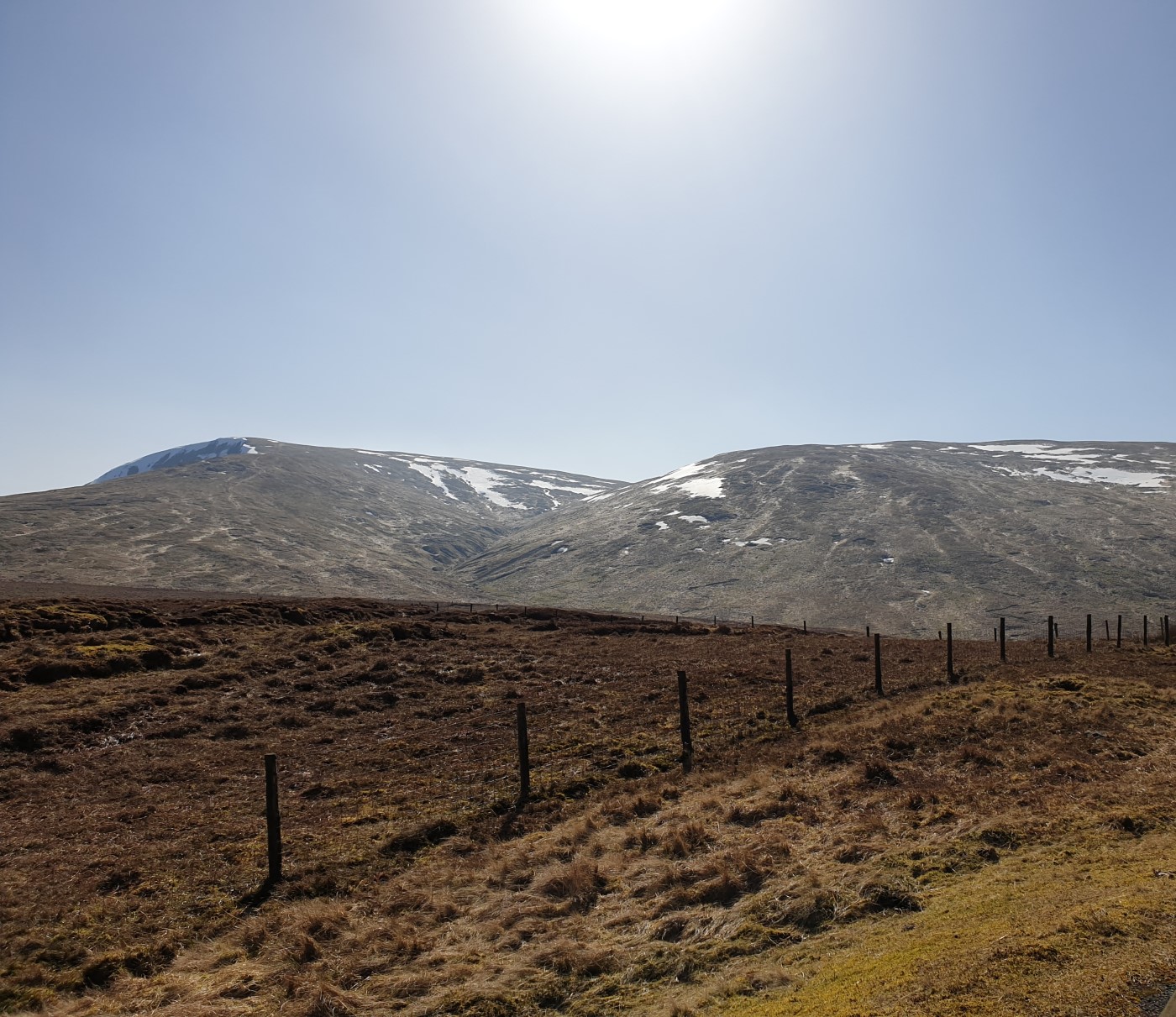

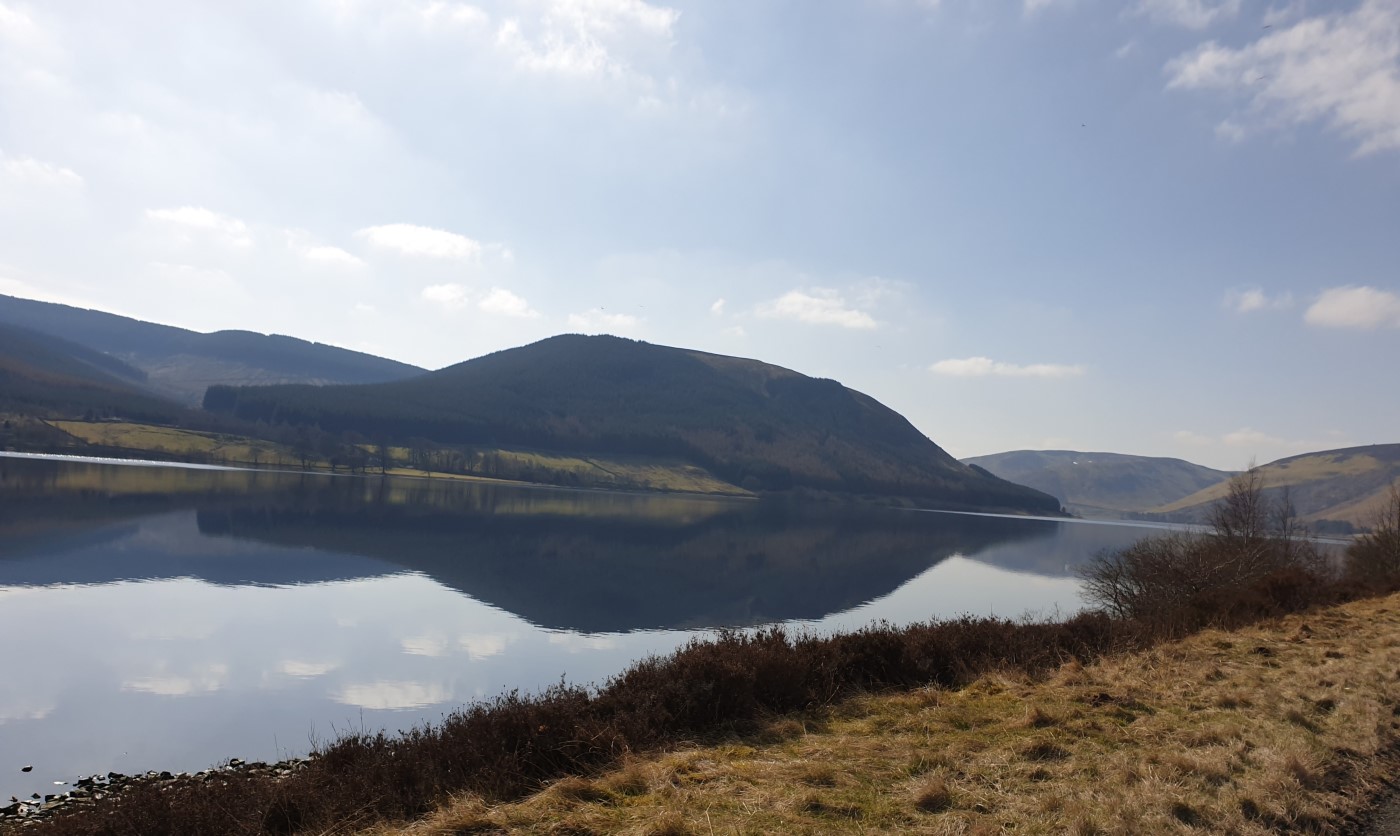
Another glorious day here in the Scottish Borders so we headed west towards St Mary’s Loch. The loch is the largest natural body of freshwater in the Borders at about 3 miles (5km) long by about half a mile (1km) wide. It is named for the church dedicated to St Mary which at one time stood on its northern shore. Today only the burial ground of the church remains but it is thought there has been a place of worship here since at least the 13th century. The water of the loch is sheltered on all sides by steep hills, and on a still day like today the surface is like a mirror. Local legend says that the loch has no bottom and that it is the coldest loch in Scotland… we are 800ft (244m) above sea level here and I can testify that the water today was absolutely freezing! You can fish for brown trout, pike, perch and eels – but watch out just in case something heavier attaches itself to your line. In 1934 a group of well-heeled visitors came to the area in wintertime when the loch was frozen and decided to stay at one of the local hotels. After a few too many glasses of champagne, they decided to push their car, a Model T Ford, out into the middle of the loch and left it there. When the loch thawed, the car sunk to the bottom – and it is there to this day.
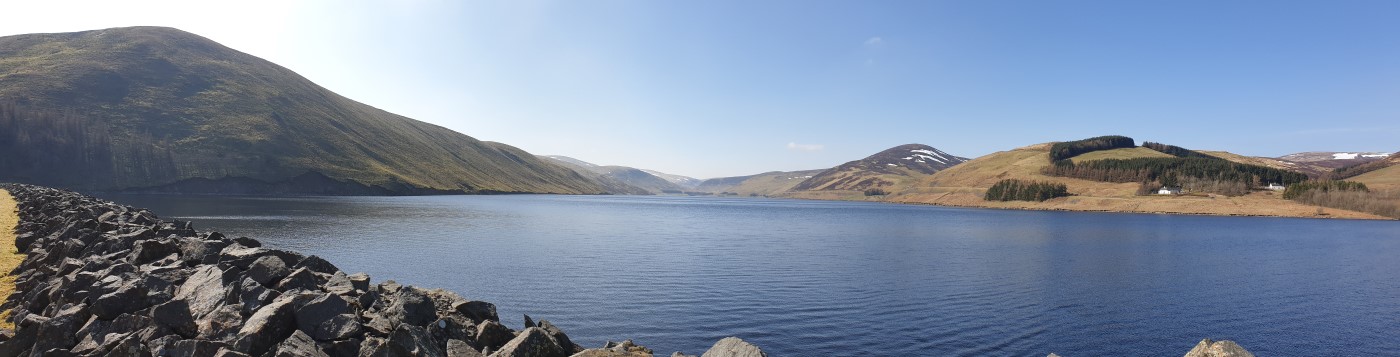
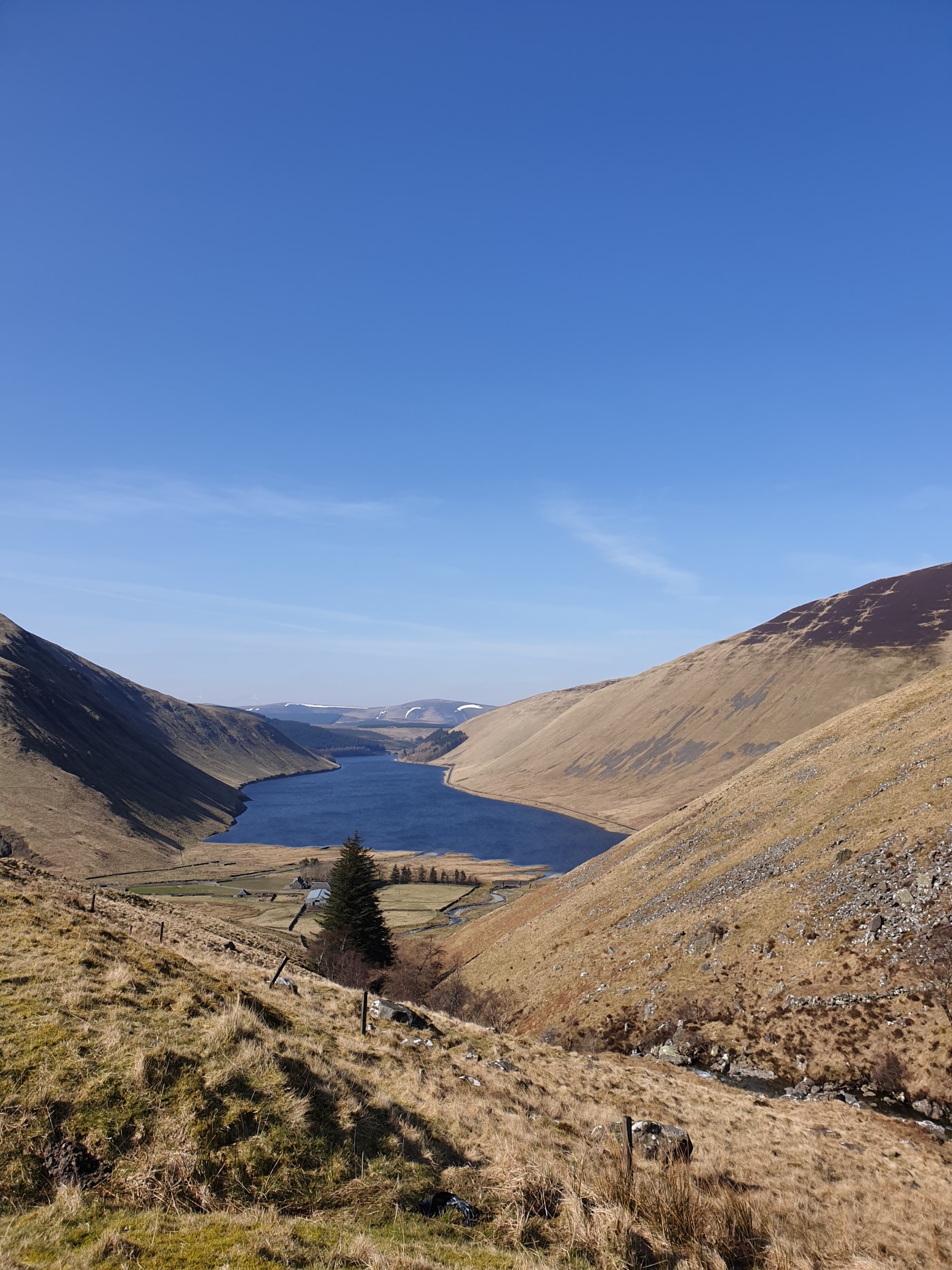
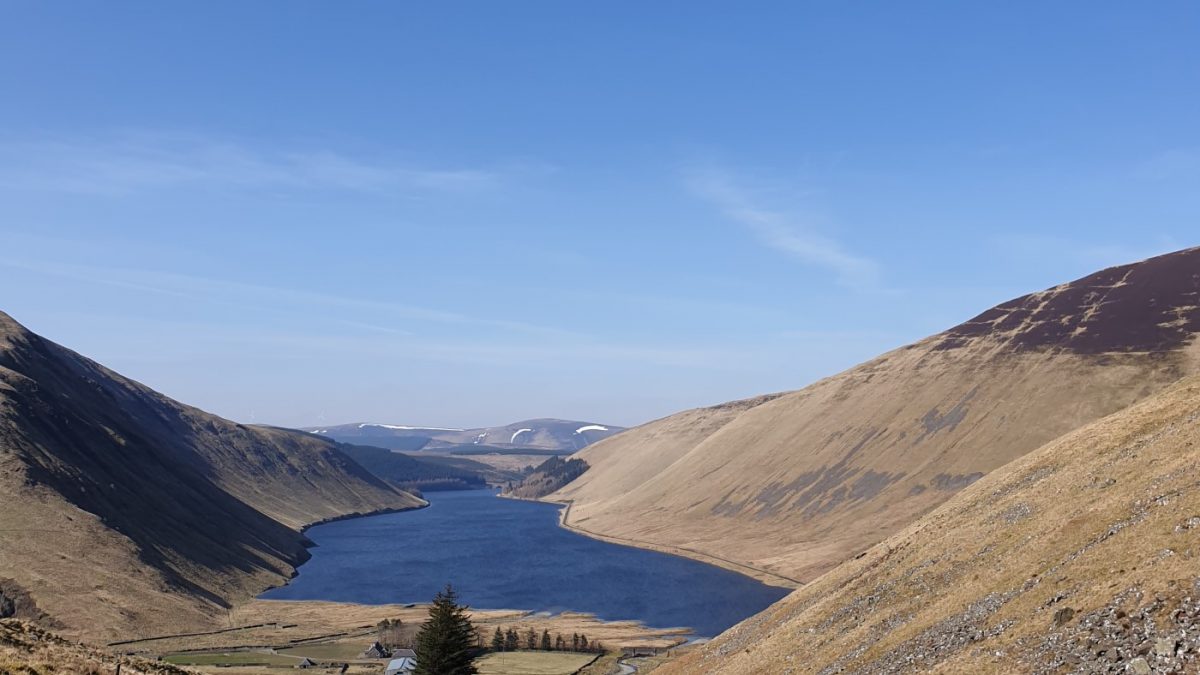
From St Mary’s Loch we turned west along the narrow single-track road past Cappercleuch to Megget. Hidden in the hills are several reservoirs which supply water to the city of Edinburgh, 28 miles away. The Megget Valley was flooded in the 1980s, and the reservoir here supplies up to 100 million litres (22 million gallons) of water a day through a network of underground pipes, propelled only by gravity as it is downhill all the way.
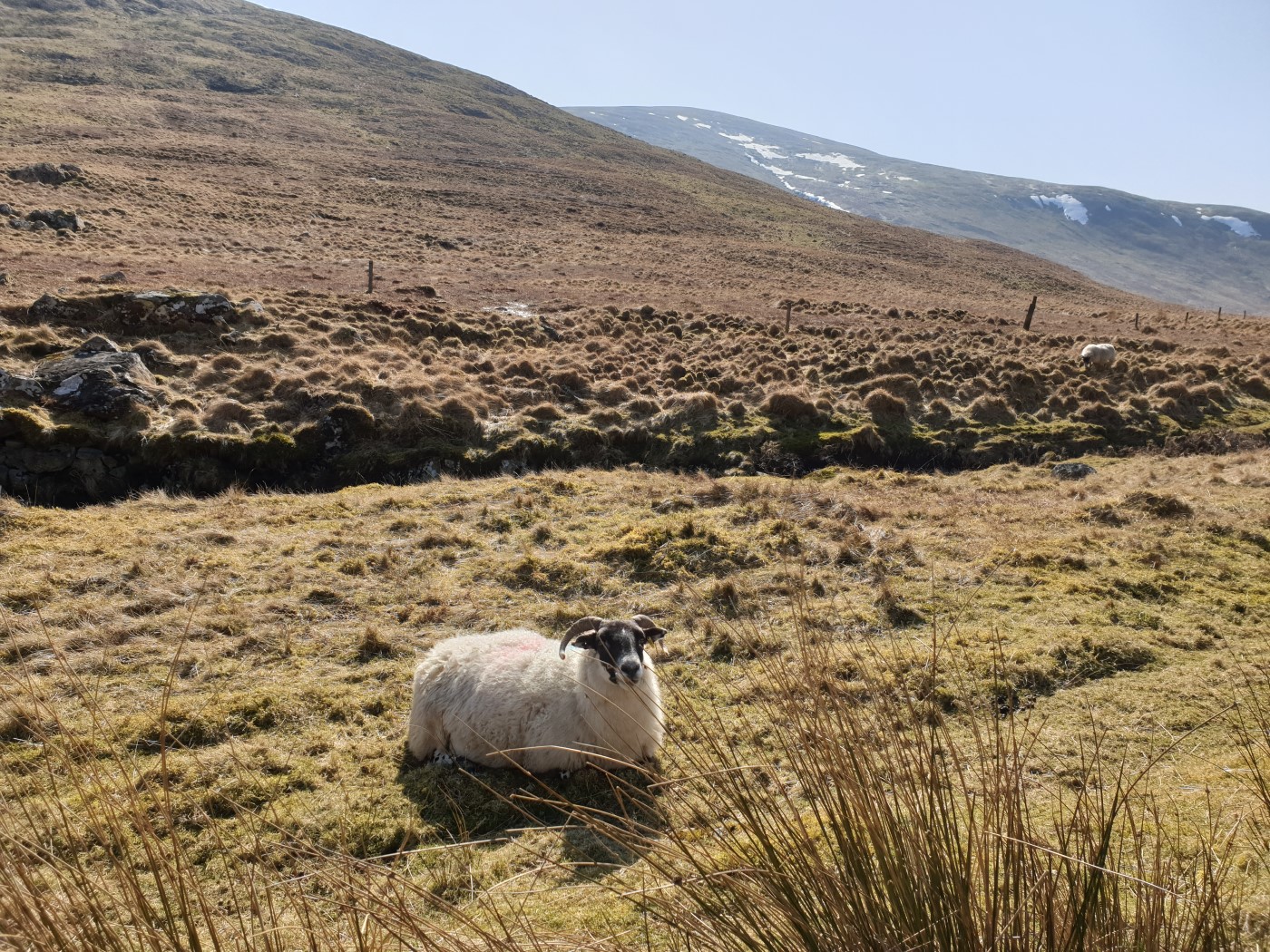
This part of the world is so peaceful, and aside from the odd farm cottage, the principal residents are the hardy black faced sheep who graze on the heather moorlands. However, it wasn’t always so. Close to the reservoir is Henderland, ancient stronghold of the Cockburn family since the 14th century. The Cockburns were Reivers, one of many notorious Borders clans who were caught up in the turbulent cross border warfare of the 15th and 16th centuries. In 1530 Sir William Cockburn of Henderland and his neighbour, Adam Scott of Tushielaw, were brought before King James V and convicted of “theft, reset, maintenance of thieves, slaughter, and other crimes.” Records show the pair were beheaded, and their heads fixed on spikes at Edinburgh’s Tolbooth. But there is a more romantic version of Cockburn’s fate. According to local legend, Cockburn did not die in Edinburgh but rather the King surprised him at dinner at Henderland and hanged him over the gate of his own tower. Cockburn’s wife Marjory fled to the nearby waterfalls at Dows Linn, where the noise of the rush of the water drowned out her husband’s anguished cries. The rock by the water where she sat is still known as the Lady’s Seat, and her sorry tale is told in the traditional ballad The Border Widow’s Lament:
No living man I’ll love again
Since that my lovely knight is slain
Wi’ ae lock of his yellow hair
I’ll chain my heart for ever mair